

Heart Hackathon: building Australia's next generation of biomedical innovators
University
Awards category


share

How do you train the next generation of biomedical innovators? Give them one of medicine's toughest challenges to solve.
Created by QUT’s Professor Shaun Gregory, Heart Hackathon is the world's first international total artificial heart design competition. It was developed to give biomedical engineering students the kind of hands-on, large-scale design experience long available in other engineering fields but rarely seen in healthcare innovation.
Working in multidisciplinary teams, students design, prototype and test technologies that could help shape the future of artificial heart devices. Along the way, they collaborate with clinicians, researchers and industry experts while gaining experience in innovation, problem-solving and product development.
Since launching in Australia in 2022, Heart Hackathon has engaged morethan 1,000 students globally. In 2026 alone, participants from 11 countries took part, with Australian teams continuing to achieve international success.
By turning one of healthcare's toughest challenges into a global learning experience, Heart Hackathon is helping inspire and prepare the next generation of medical technology innovators.
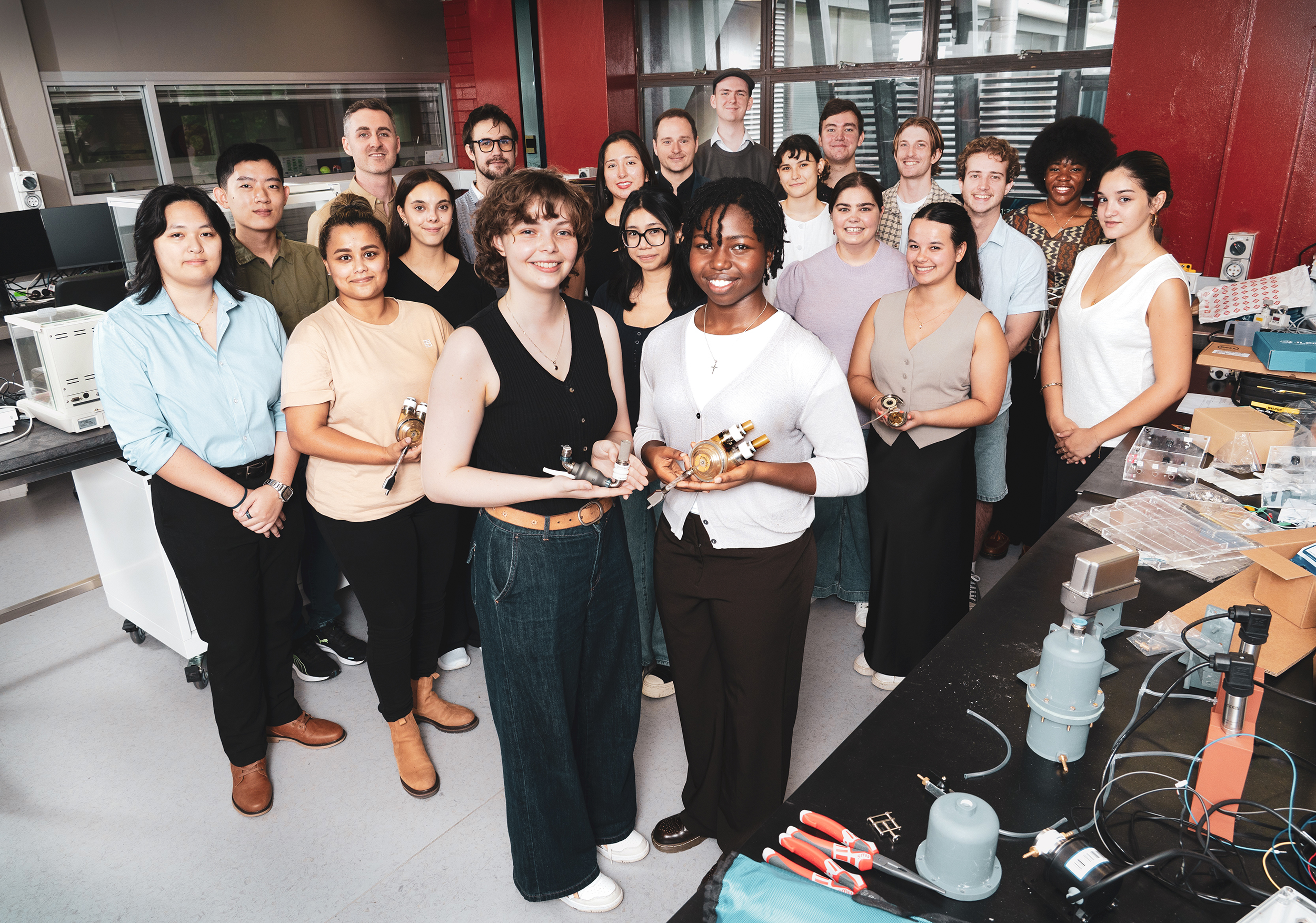
QUT Heartbeats Team, credit QUT Media

Professor Shaun Gregory with members of QUT Heartbeats, in the Lab, credit QUT Media
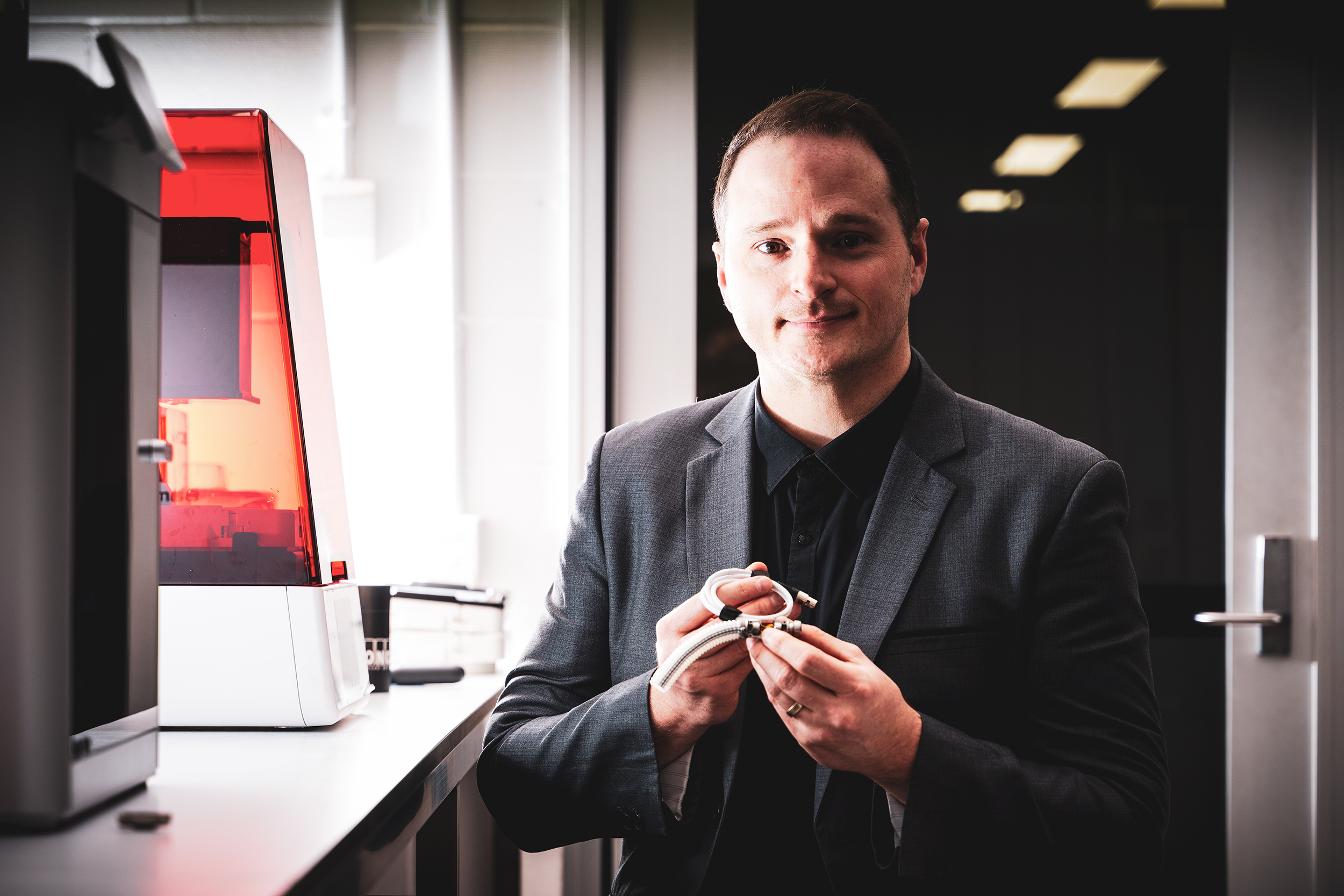
Professor Shaun Gregory, credit QUT Media

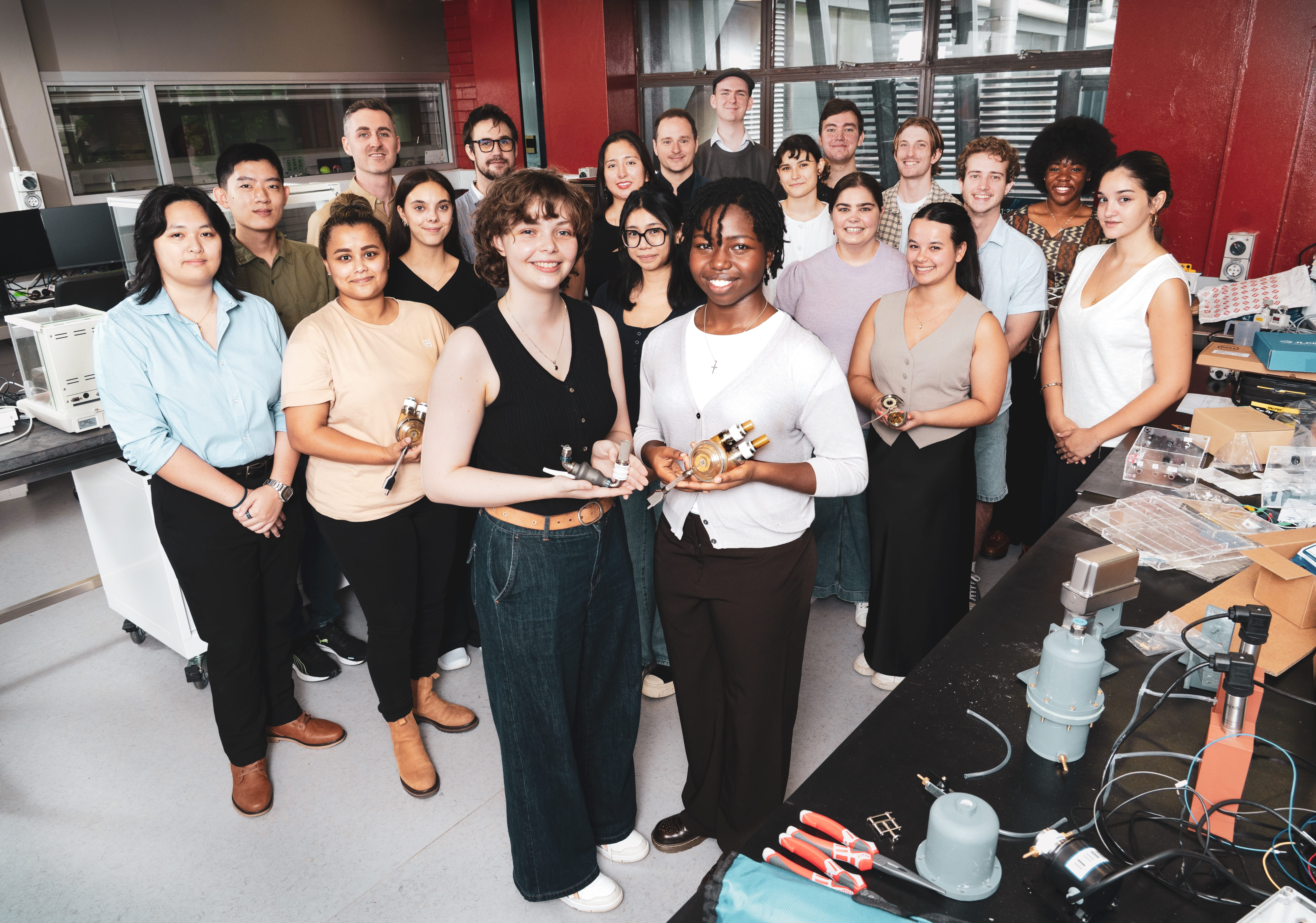
QUT Heartbeats with device, credit QUT Media
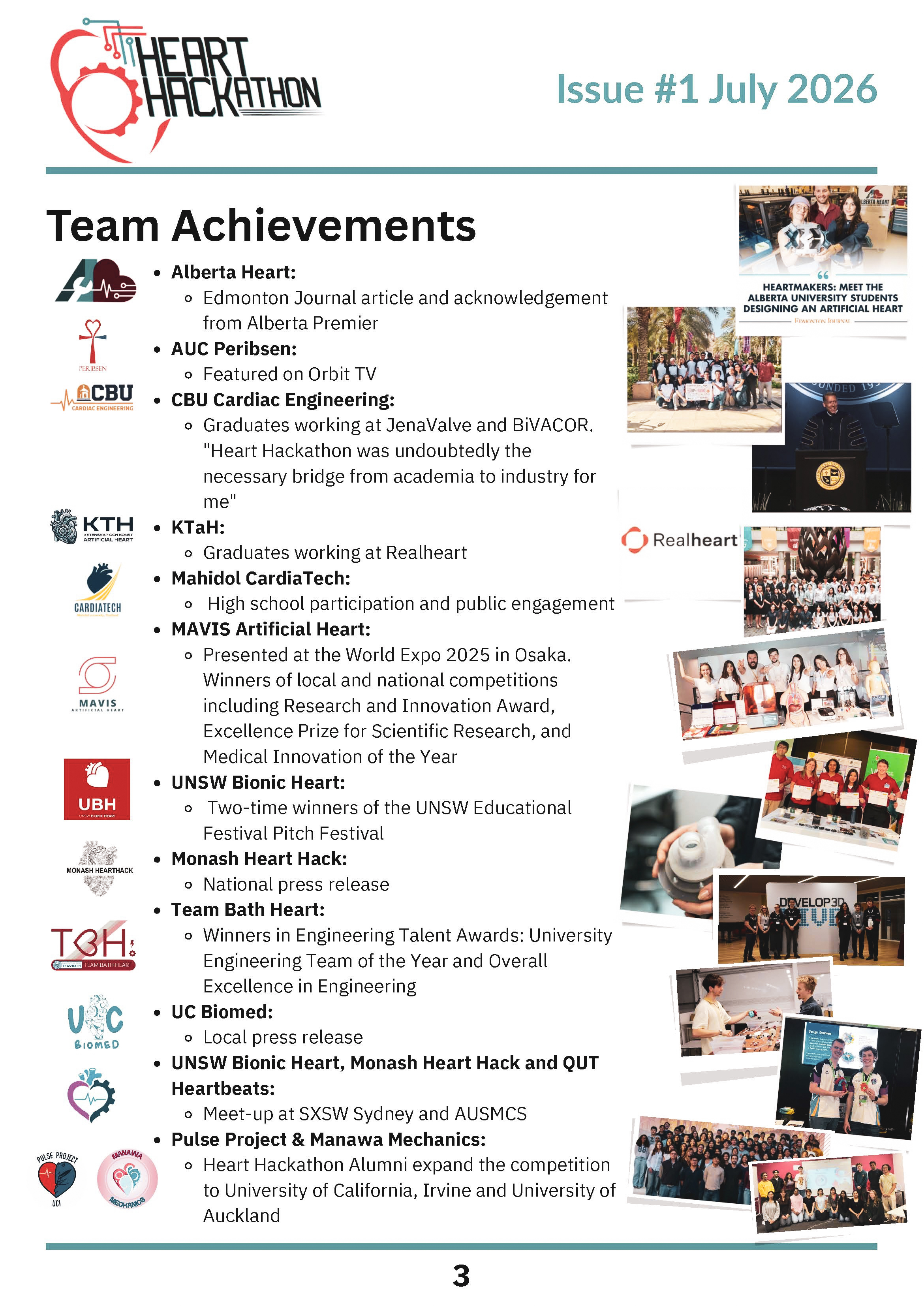
Extract from Heart Hackathon Newsletter July 2026 – Team Achievements, credit S Gregory
As a founding sponsor, Hydrix has worked with Professor Shaun Gregory and supported Heart Hackathon from the very beginning. We have had the privilege of seeing Shaun’s original concept materialise, grow and develop into an increasingly international program, while generating real energy and engagement here in Australia.
From an industry perspective, that matters. One of the biggest challenges we face is developing engineers who can do more than solve a technical problem. Medical technology demands multidisciplinary thinking, an understanding of clinical need, commercial awareness, teamwork and the ability to translate an idea into something that can ultimately improve a patient’s life.
Heart Hackathon exposes students to exactly these real-world innovation challenges. They work on an extraordinarily complex healthcare problem, collaborate across disciplines and engage directly with clinicians, researchers and industry professionals. It gives them an experience and perspective that is difficult to create in a conventional university environment.
Our own engineers have also gained enormously from being involved. Working directly with the teams provides an opportunity to engage with emerging talent and fresh thinking, while sharing the practical lessons that come from developing complex medical technologies in the real world.
The growth of Heart Hackathon has been particularly impressive. Five new international teams have joined over the past year, while Australian participation has expanded to three teams. We have seen the calibre and confidence of the students grow, and importantly, seen participation open genuine career pathways.
Shaun deserves enormous credit for taking an ambitious idea and building a global community around it.
Heart Hackathon now connects students with leading people across biomedical engineering, medicine, research and industry while developing precisely the kind of multidisciplinary, industry-ready talent Australia needs.
Hydrix is delighted to support Professor Shaun Gregory and Heart Hackathon for the Shaping Australia Future Builder Award.
Alan Morris - Group Marketing Director, Hydrix
Heart Hackathon was the most valuable part of my undergraduate education. As the founder of my small univerity's Heart Hackathon team in the United States, I came into the competition with no background in artificial heart research, and neither did anyone else at my university. Most of us did not know that mechanical circulatory support existed as a field of engineering.
The difficult but exciting challenge of designing and building an artificial heart brought students in en masse, and we quickly grew into the largest competition team at the university, raising over $150,000 to build our device and travel internationally. Leading that team taught me more about project management, fundraising, communication and working through genuinely difficult research problems than any class I could have taken.
The competition took our team to international conferences, where we presented our work to researchers, clinicians and industry engineers we would never have encountered as undergraduate students. Those connections ultimately led to internships for many of us, and eventually to my own PhD. A large share of my former teammates have gone on to internships or careers in mechanical circulatory support.
Heart Hackathon also put Australia on the map for me. I had never heard of QUT before this competition, and I now live in Brisbane, completing a PhD in Professor Gregory's lab on technology to help patients survive cardiac arrest.
I am grateful to Shaun for creating something that gave a group of students with no experience and no connections a genuine way into this field, and I am proud to support his nomination for the Future Builder Award.
Josh
Competing in the 2025 Heart Hackathon as a member of QUT Heartbeats gave me experience that directly helped me land my dream role as a Biomedical Engineer at Akunah.
Prof. Shaun Gregory and the Heart Hackathon community were a true inspiration to me and many members of our QUT Heartbeats team. Throughout the competition and the finals in Vienna, Austria, I learnt valuable lessons not only in cardiovascular and medical engineering, but in what it takes to be an effective team member tackling some of the greatest engineering challenges in modern medicine.
What made the experience so valuable was the opportunity to work on a real-world engineering challenge alongside students from different disciplines, while engaging with clinicians, researchers and industry professionals. It pushed me well beyond what I could learn through traditional coursework and helped me develop practical skills in problem-solving, teamwork, communication and project delivery.
The international finals provided an opportunity to showcase our work, learn from other teams and gain exposure to leaders in the biomedical engineering field. It gave me a much clearer understanding of how medical technologies are developed and translated into solutions that can improve patients' lives.
The experience also strengthened my confidence in pursuing a career in biomedical engineering. Many of the skills and experiences I gained through Heart Hackathon were directly relevant during my transition into industry, and I continue to draw on them in my current role at Akunah.
I am incredibly grateful for the once-in-a-lifetime opportunity Heart Hackathon provided and am proud to support Prof. Gregory and Heart Hackathon for the Shaping Australia Future Builder Award. I know many other students have benefited in similar ways, and I believe Prof. Gregory’s commitment to developing the next generation of biomedical engineers deserves recognition.
Lachlan Tucker - Biomedical Engineer, Akunah
Heart Hackathon: building Australia's next generation of biomedical innovators | Queensland University of Technology
Stay informed
Receive the latest updates about the Shaping Australia Awards program.