

Reshaping Australia's response to dementia


For many Australians, a dementia diagnosis comes with little guidance about what happens next. Families often describe feeling lost and isolated as they navigate the challenges of the condition on their own.
The University of Canberra's SPICE program is changing that. Developed with Canberra Health Services and shaped by people with lived experience of dementia, it provides practical support for people living with dementia and their care partners.
Combining cognitive stimulation, exercise, rehabilitation, education and peer support, the program focuses on helping people maintain independence, confidence and quality of life.
Since 2022, more than 500 participants have taken part, with significant improvements in wellbeing, physical function and care partner confidence. Participant satisfaction is exceptionally high, with 97 per cent of people with dementia and 99 per cent of care partners enjoying the program.
By replacing a message of decline with one of possibility, SPICE is helping Australians with dementia live more active, connected and meaningful lives.
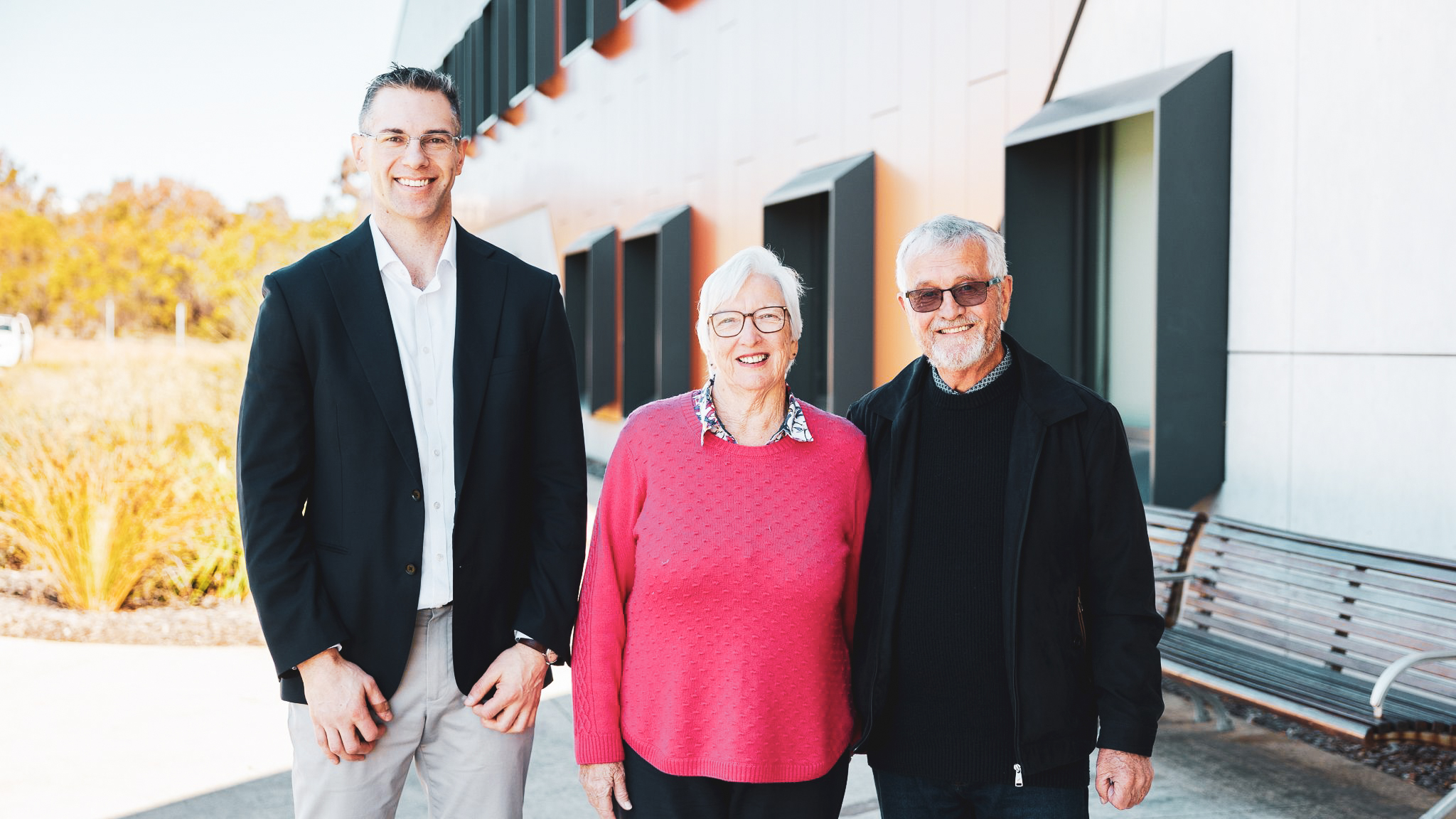
Associate Professor Nathan D'Cunha with former SPICE participants Glynis and David Ingram (photo credit: Tyler Cherry)
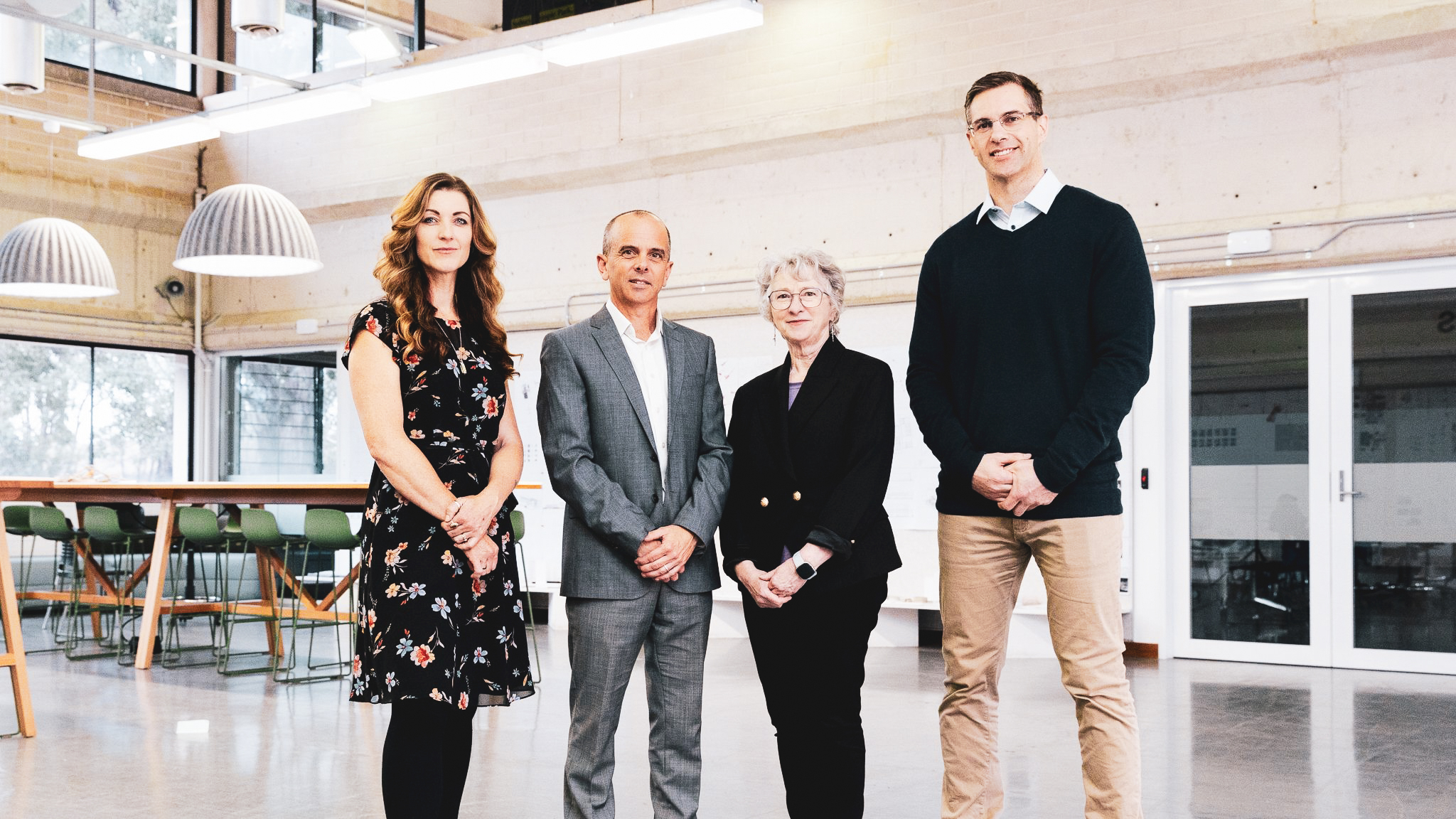
UC Centre for Ageing Research and Translation (CARAT) leadership team (L-R) Professor Kasia Bail, Professor Stephen Isbel, Distinguished Professor Diane Gibson and Associate Professor Nathan D'Cunha (photo credit: UC Media)

Dr Georgina Chelberg (photo credit: Chris Walsh)
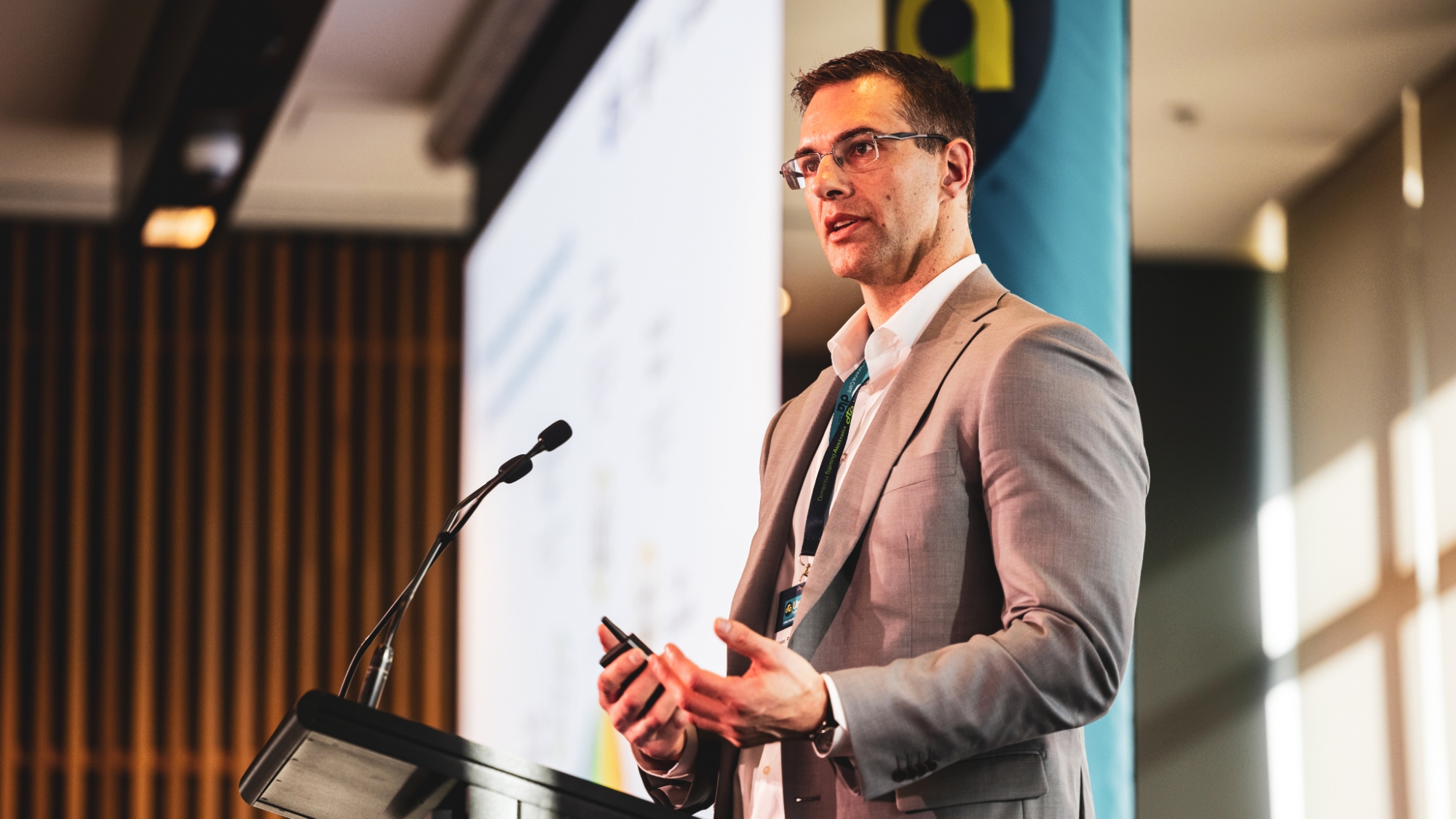
Associate Professor Nathan D'Cunha presenting the SPICE program at the Dementia Training Australia Allied Health Symposium 2025, Adelaide (photo credit: Frankie the Creative)

Former SPICE participant Albert Green AOM (photo credit: UC Media)
Stay informed
Receive the latest updates about the Shaping Australia Awards program.