

A lifeline for young people in the 'missing middle'


Some young people facing serious mental health challenges are caught in the "missing middle" — their needs are too complex for standard community support, but they struggle to access specialist services.
The University of Canberra's Pathways program is changing that.
Delivered free of charge, the 20-week program supports young people experiencing challenges such as self-harm, anxiety, depression and suicidal thoughts, while actively involving parents in treatment and recovery.
Since 2019, Pathways has helped 176 young people and 152 parents build practical skills, strengthen family relationships and develop healthier ways of coping. The results have been profound, with significant reductions in self-harm, depression and suicidal ideation.
The program's impact is reflected in its 97.2 per cent completion rate and growing support from government and the community.
By ensuring vulnerable young people and their families do not fall through the cracks, Pathways is helping change life trajectories and build brighter futures.
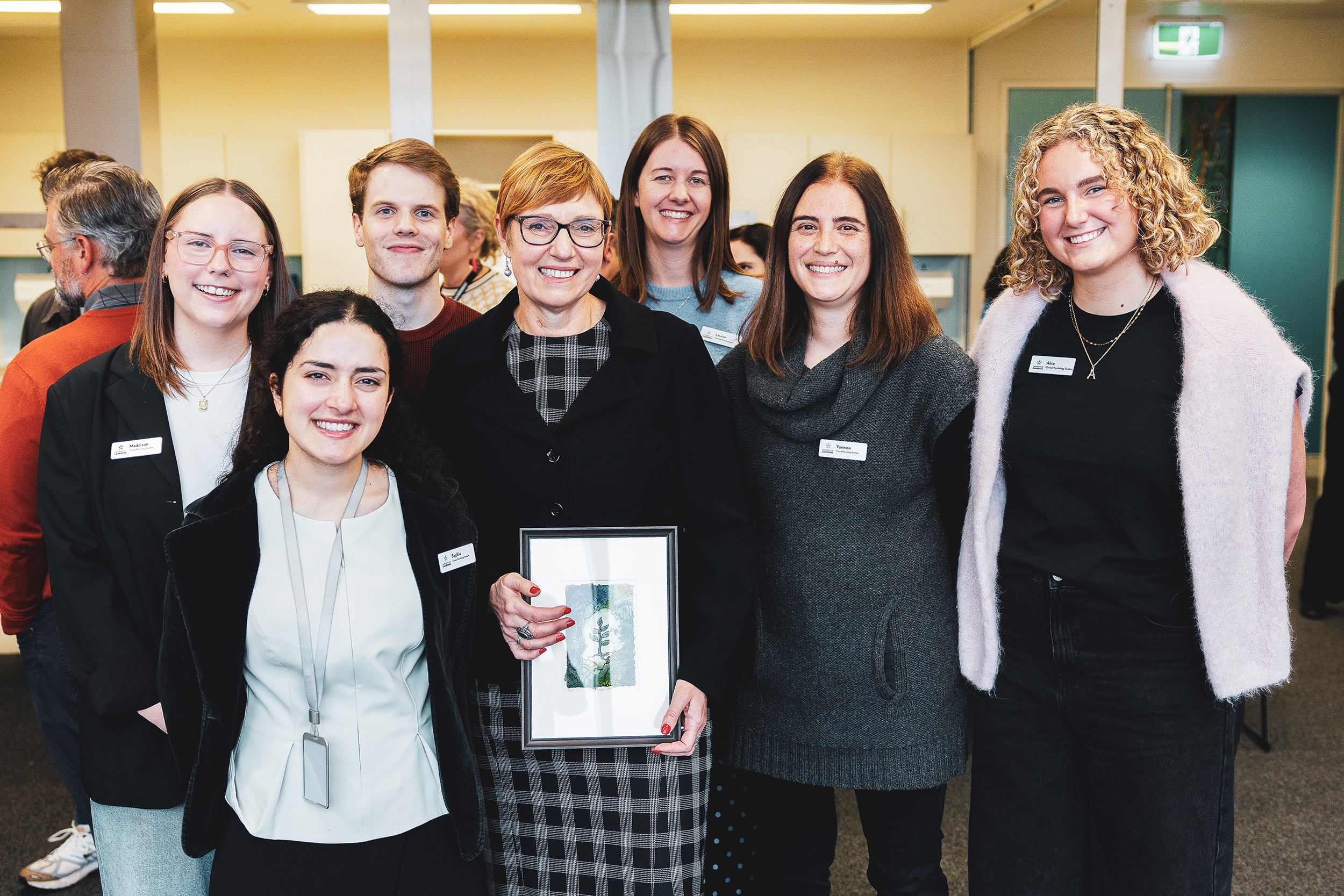


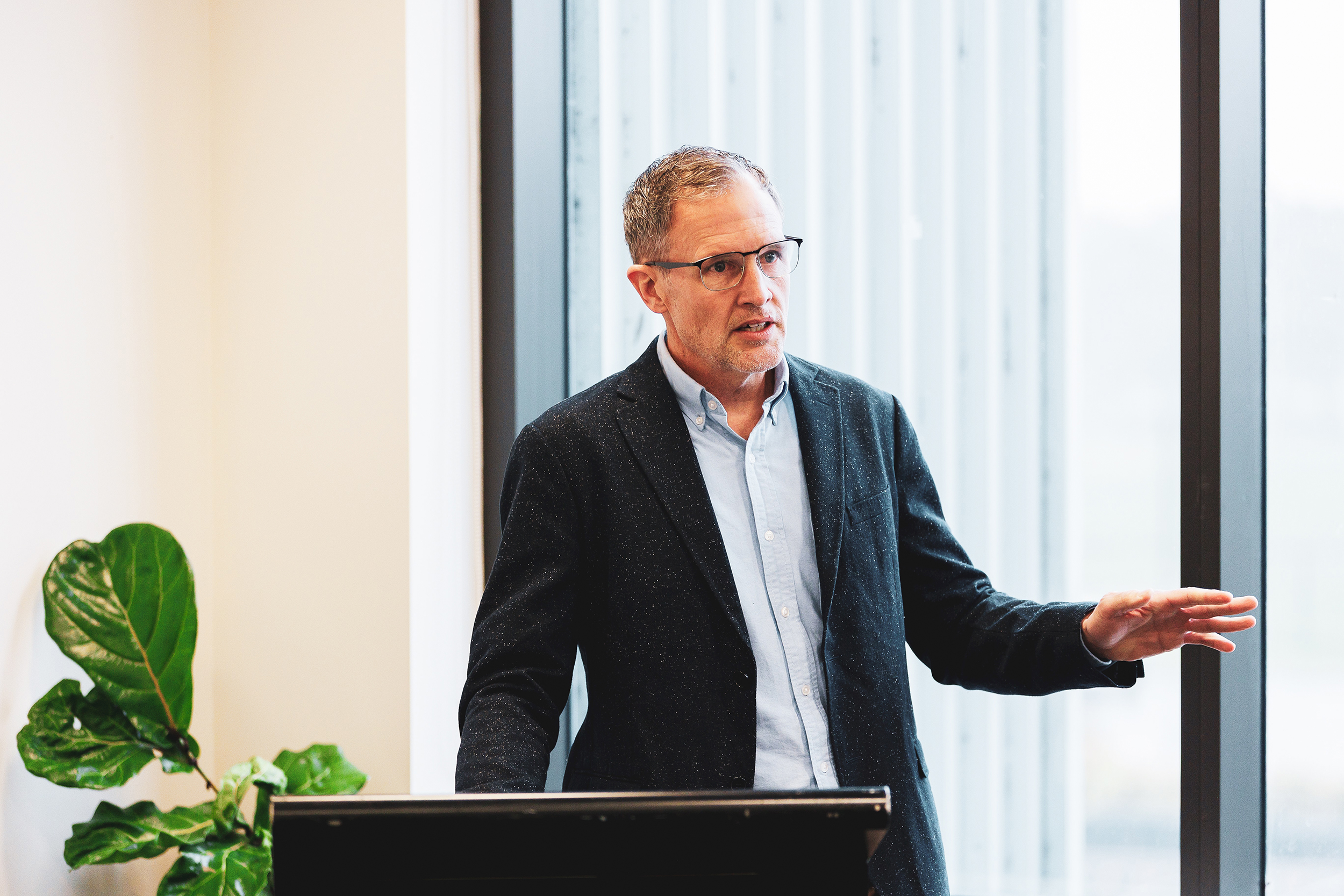


The Pathways program not only benefits adolescents who need it most in Canberra, but it also has a profound impact on the Clinical Masters students fortunate enough to be involved in the program. I initially applied to the Pathways program to do my placement for the experience of working with vulnerable youth. However, what I have found has been meaningful benefits to myself as an early career psychologist and as a human being. The program uses innovative therapist skills training and supervision groups which foster us students to use Dialectic Behavioural Therapy (DBT) skills in our own lives. This not only has supported me with the difficulties of being an early career psychologist and fulltime student but has also brought a deep empathy for what we in the Pathways program ask adolescents to learn and change in their life. In this way both students and clients of the program are learning and implementing DBT into their lives, side by side. A core thing I have taken from my experience in this program has been finding purpose in what I do both in my clinical work and personal life, as well as the ability to respond and adjust to the difficulties life throws. Both I know will carry me forward in my career when faced in increased risk of burn out and the constant changes of the world we live in. My life has changed for the better since being involved in the Pathways program and being able to provide this to adolescents who need it most is one of the most rewarding experiences thus far in my career. The skills the Pathways program provides for students doing placement go beyond their own lives and supports students to become genuine, adaptive, mindful, competent and evidence-based clinicians, for which the psychology work force needs more of.
Trainee Clinical Psychologist
12 months ago my daughter, H and I participated in the program. When we were referred by our GP, H's mind, experiences and behaviours were incredibly complex, and this stage of our lives seemed to be at peak trickyness.
Aaron did an incredible job at building rapport, validating and challenging H. As for me, I don't know how I would have survived that period of my life without the 1:1 support of Rose and the rest of the team.
Now, 6 months after completing the program there has been so much positive growth in the way H is navigating her world, relationships and big feels. She was speaking to another family member just last week who is struggling and she was encouraging them to try DBT. She told them it was so helpful for her, and if she could do it again she would. Later in the same week she confided in me that she wanted to raise an issue with someone significant in her life who has a tendency to be prickly at the best of times. We got out our DBT books and she used her skills to craft a message, the flow on effect has been improved communication and connection with this person.
H is now enrolled and attending College (no small feat for someone who barely made it to the end of yr 10), she has also been asked to be a mentor for the same PCYC program she was a participant in last year. Her long term goal is to be a youth worker and she feels the skills she learned through DBT will not only help her to manage the difficulties this job will bring, but will also allow her to share the tips and tricks with the young people she supports.
Parent participant email to the team - Institution: Discipline of Psychology, University of Canberra
I am writing to thank you for your invaluable early intervention program and to provide feedback from several clients who have attended over the past year.
I have referred several young people to your service with every single client reporting a favorable experience. In some cases, they have gone as far to say it has “been life changing”. The feedback I have received has referenced both your group and individual sessions as well as the option of including parents/carers in the process.
I hope that any positive feedback you receive will provide further evidence of the ongoing need for this service which I know reties on the provision of ongoing funding.
Many thanks again for your endeavor and for the support you have provided to many of my patients.
Ildiko Lorincz - Psychiatrist, Citta Clinic, Canberra
A lifeline for young people in the 'missing middle' | University of Canberra
Stay informed
Receive the latest updates about the Shaping Australia Awards program.